How women farmers in North Lebanon are reshaping rural food security
A training initiative under the Eco North project is building agroecological knowledge and practical farm management skills among women in rural communities.
Every season, the women farmers of North Lebanon make hundreds of small decisions: what to plant, how to stretch limited resources, how to plan for a future that feels less and less predictable. Most of that knowledge has always lived in their hands and their instincts. Now, a new initiative is helping them build on it.
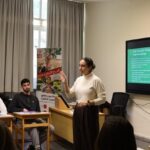
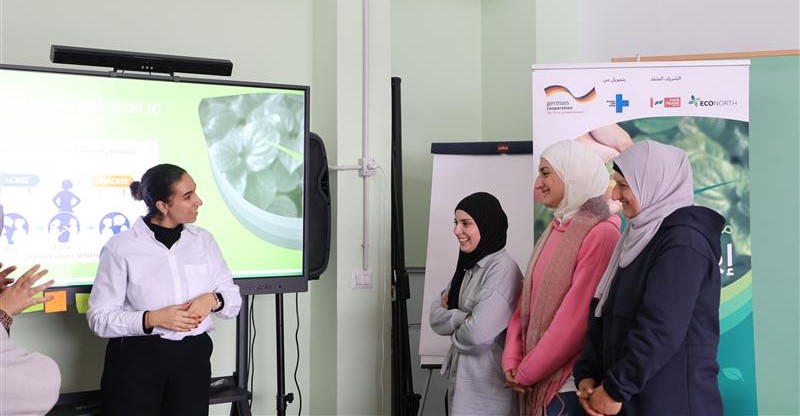
Through the Eco North project, Fair Trade Lebanon has been running training sessions bringing women farmers together to learn, share, and problem-solve. The sessions cover agroecological practices and farm management, but also the quieter skills that don’t always get talked about: budgeting, financial planning, making confident decisions under uncertainty.
What makes these sessions work isn’t just the content, it’s the room. Farmers sit with other farmers, swap stories, and realize their challenges aren’t as isolated as they felt. That kind of peer exchange, honest, grounded, and practical, turns out to be just as valuable as any lesson plan.
“I learned things I didn’t know before, about agriculture and even personal things. How to deal with people, make your own decisions,” said Alaa, a participant in the training. “This empowers women and gives them the self-assurance to speak out more.”
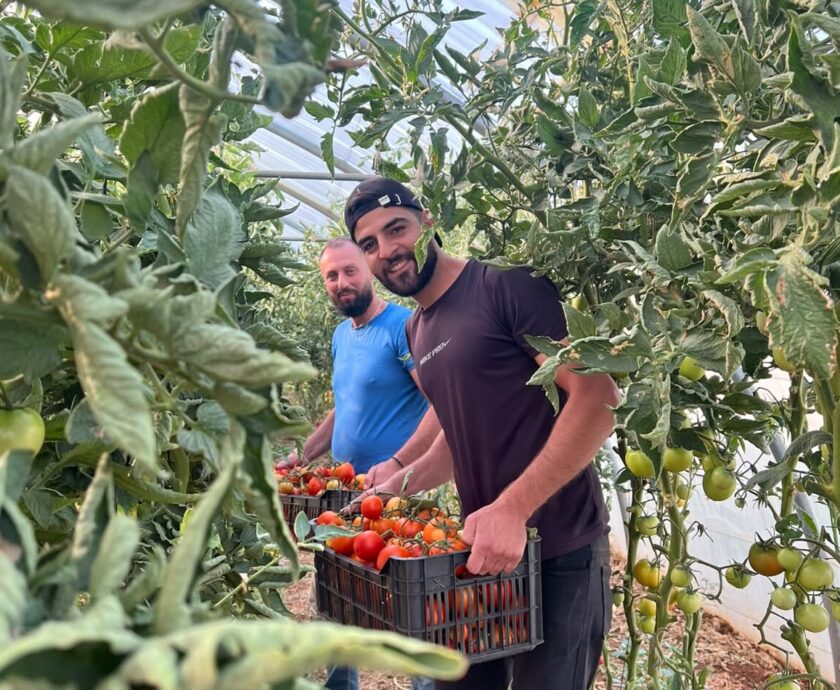
When women farmers build confidence in managing their land and resources, the benefits extend outwards. Stronger harvests. More stable incomes. Families and communities that are better fed and better prepared. In rural North Lebanon, that’s not a small feat.
The Eco North project is implemented by Fair Trade Lebanon, supporting rural communities across North Lebanon through sustainable agricultural livelihood programs.