Tawazon Tabie: Enhancing Resilience Against Climate Change
Launching:
Ending:
Region:
Direct Beneficiaries:
Donor Organization:
Project Partner:
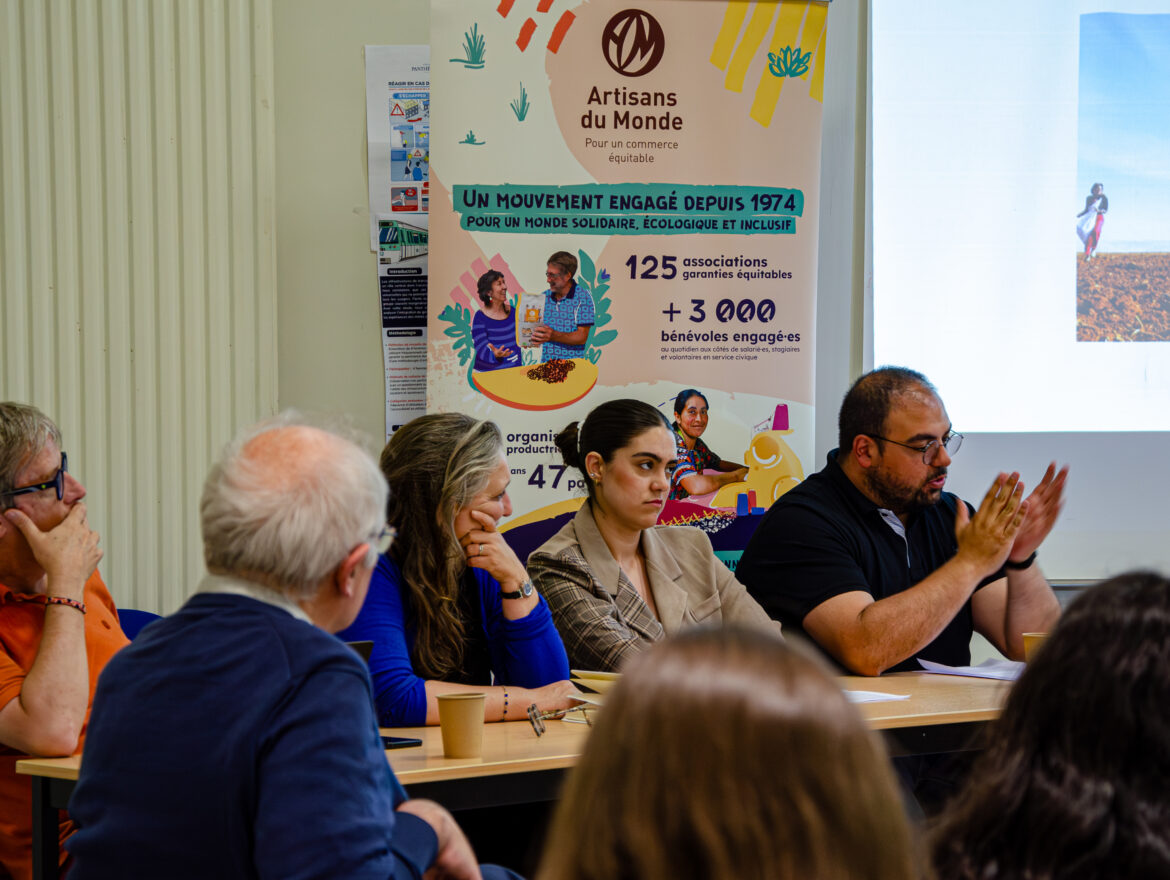
Fédération Artisans du Monde (FAdM)
Expertise:

Benefiting from training and resources.

Enhancing production efficiency.

Contributing to sustainable agriculture.

Developing climate-resilient startups.

Gaining workforce
skills.

Engaged in climate and fair trade education.

Raising climate awareness.
Benefiting from training and resources.

Enhancing production efficiency.

Contributing to sustainable agriculture.

Developing climate-resilient startups.

Gaining workforce
skills.

Engaged in climate and fair trade education.

Raising climate awareness.
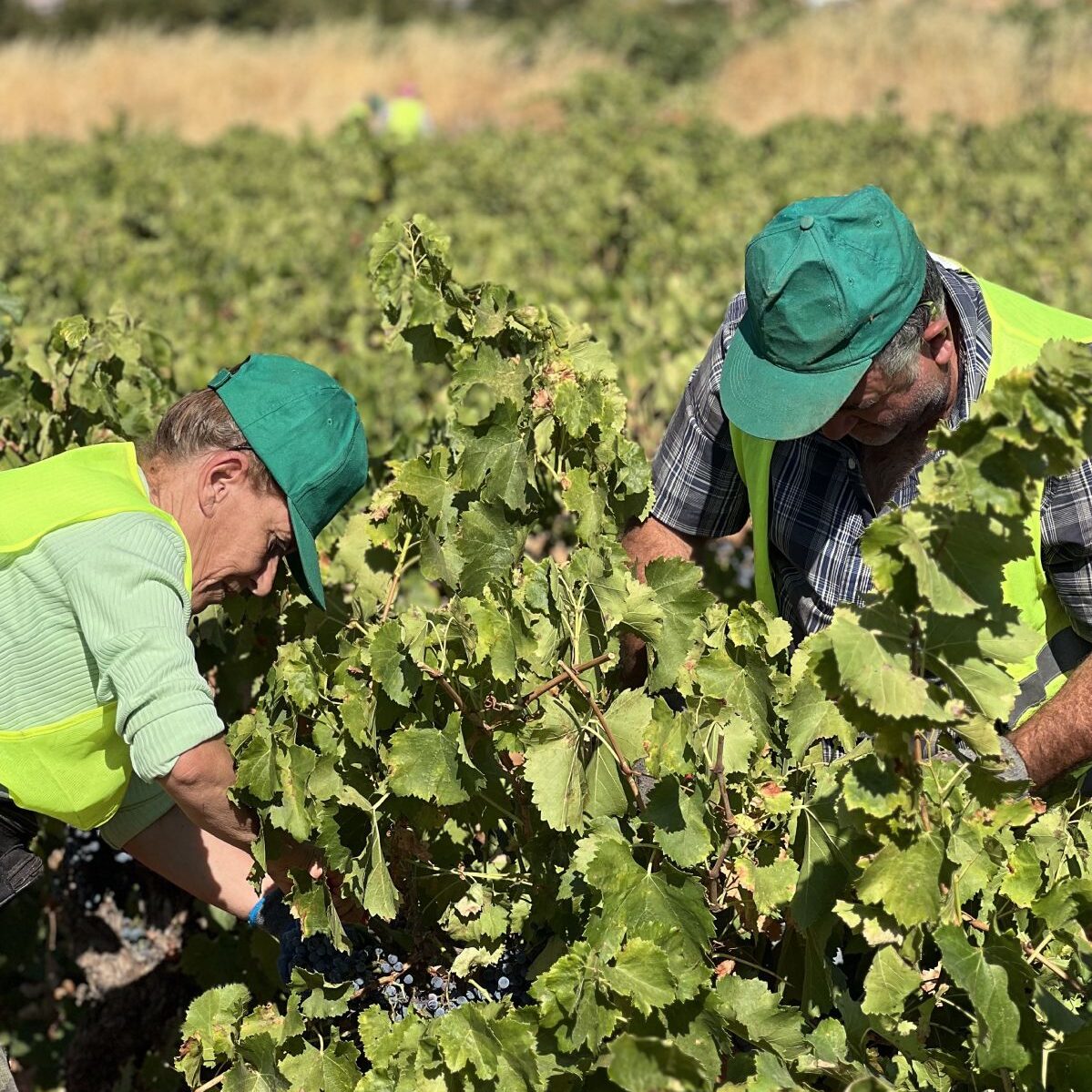
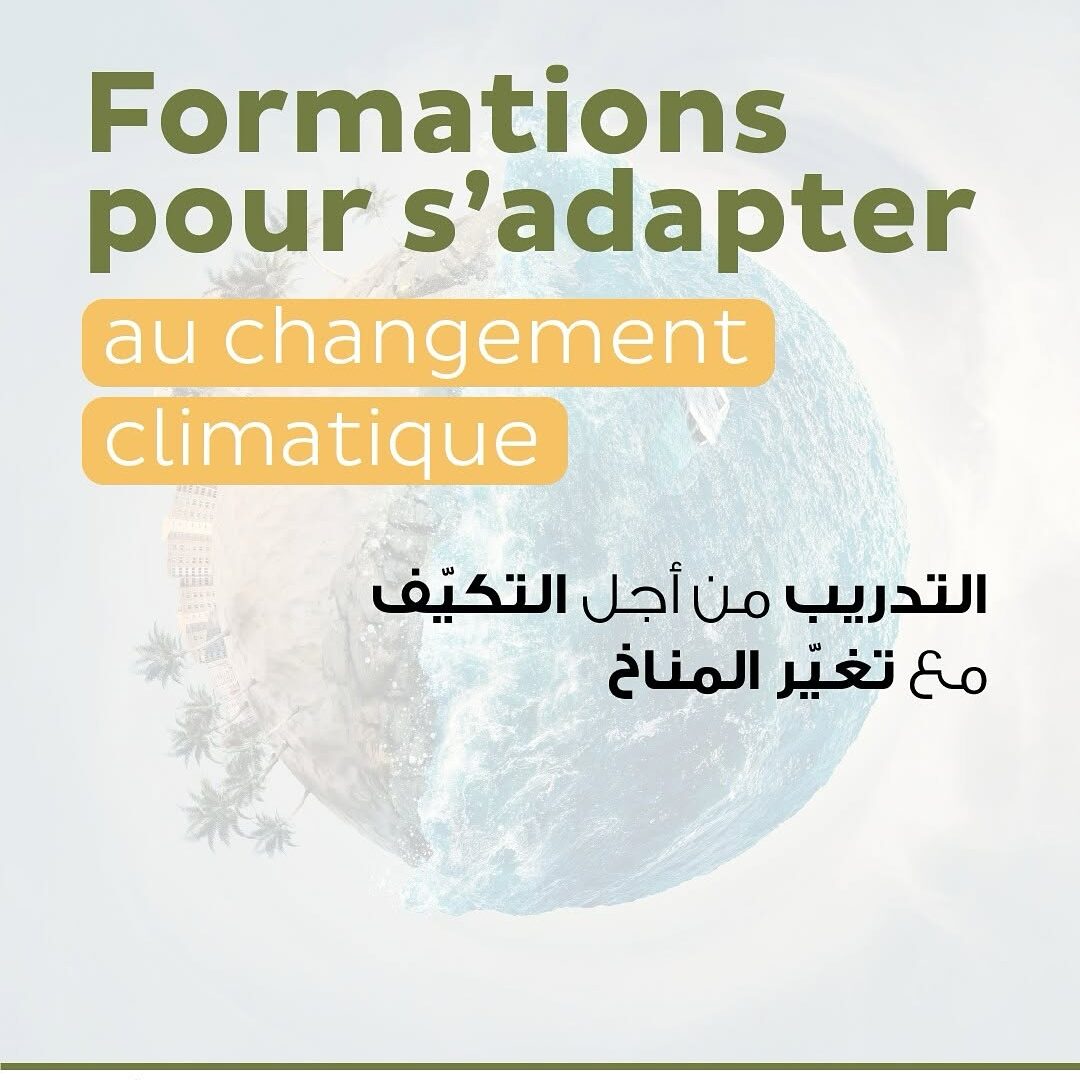
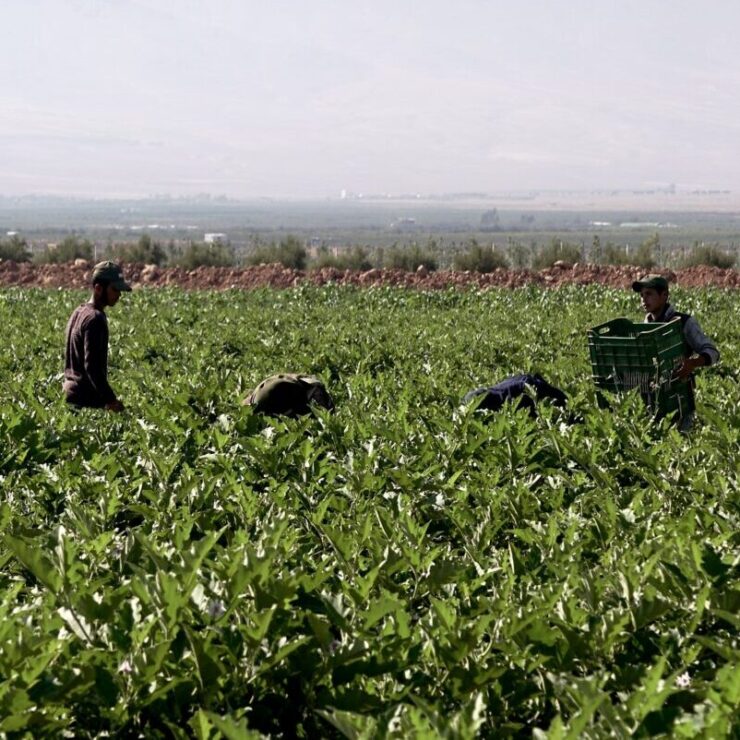
Tawazon Tabie – Equilibre Naturel is a three-year project that focuses on enhancing the resilience of farmers, food producers and youth in Lebanon’s Bekaa region against the impacts of climate change. The project is implemented by Fair Trade Lebanon (FTL) funded by the Agence Française de Développement (AFD). Our goal is to empower local communities through sustainable agricultural practices, youth engagement, and community mobilization.
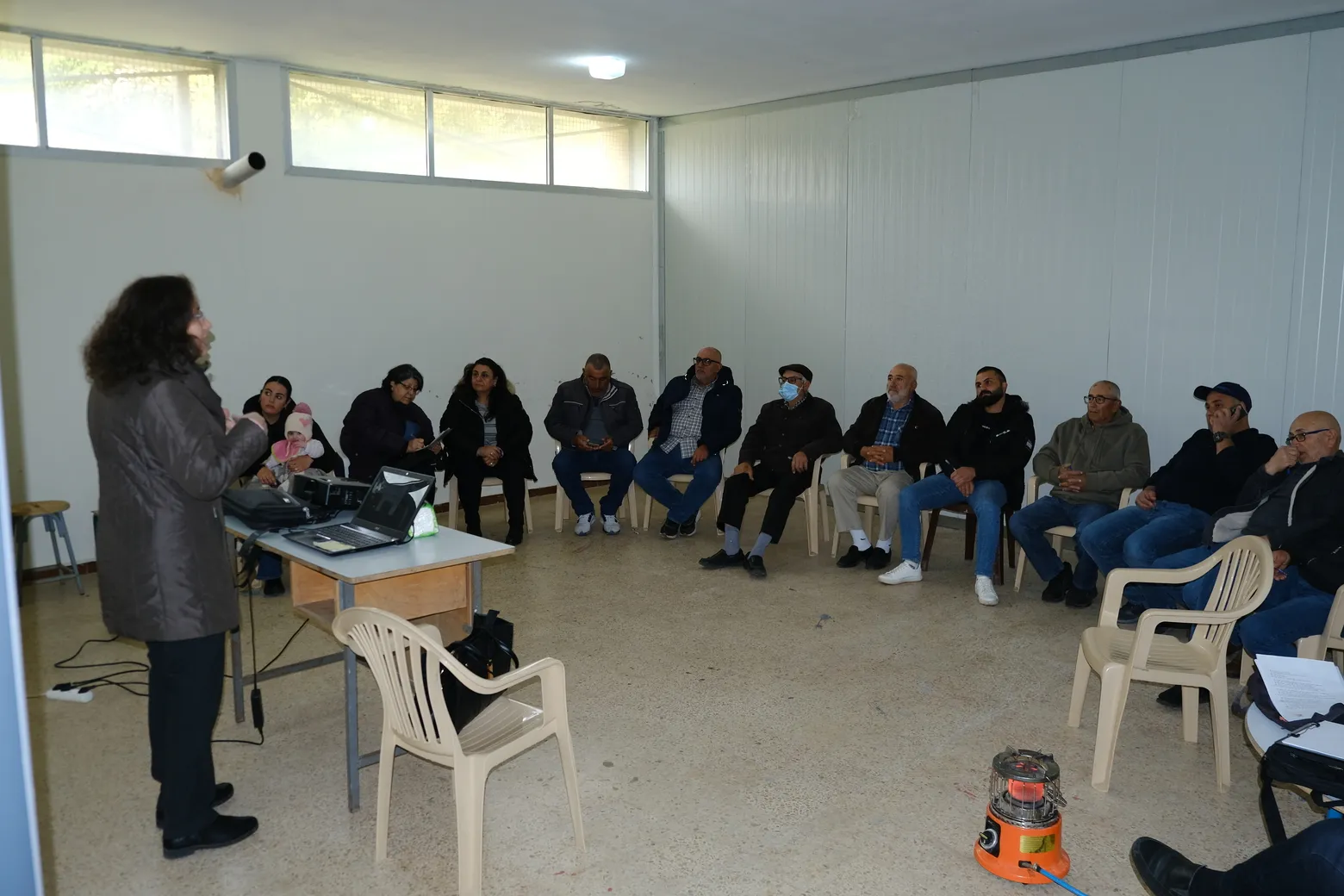
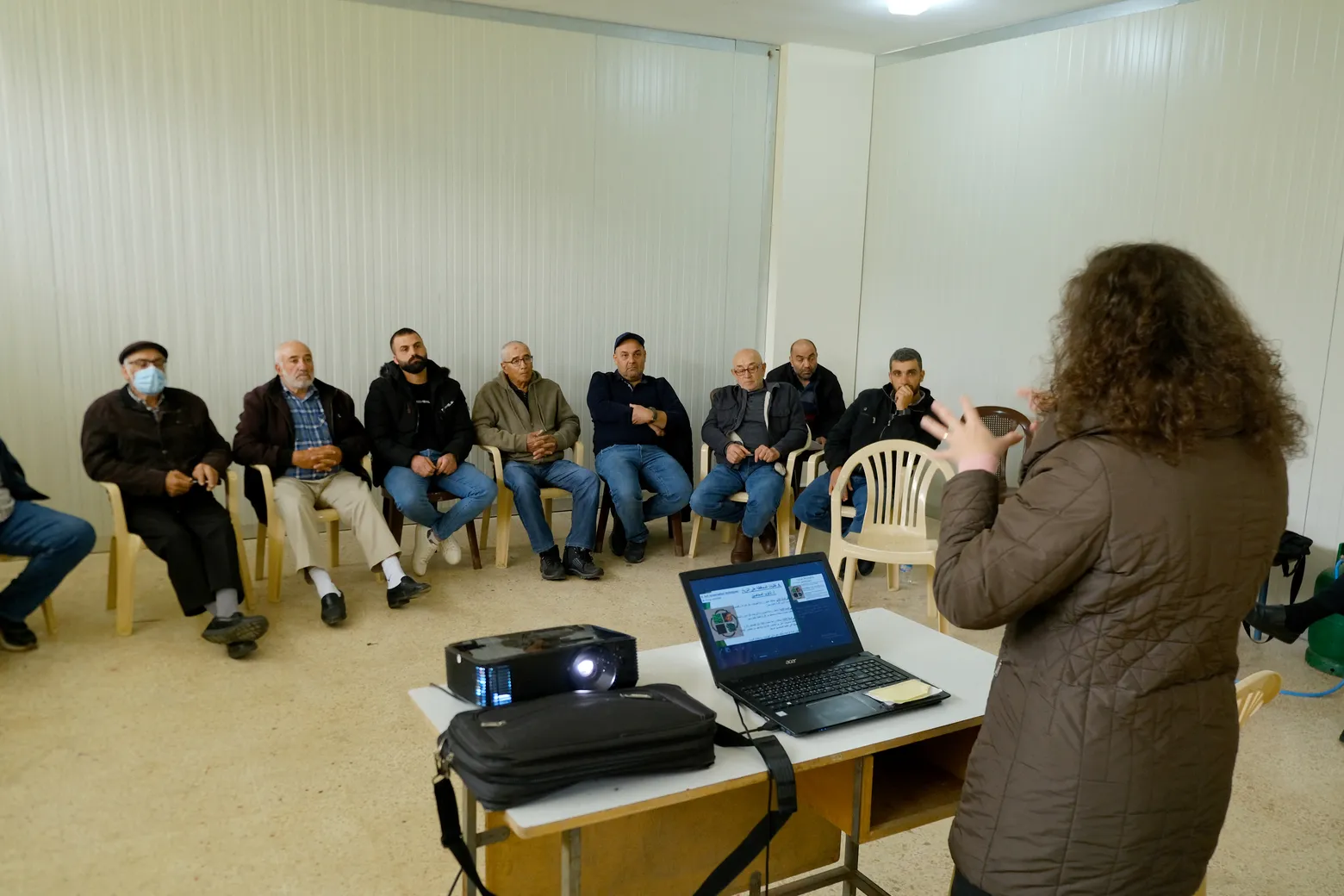
Training and Capacity Building
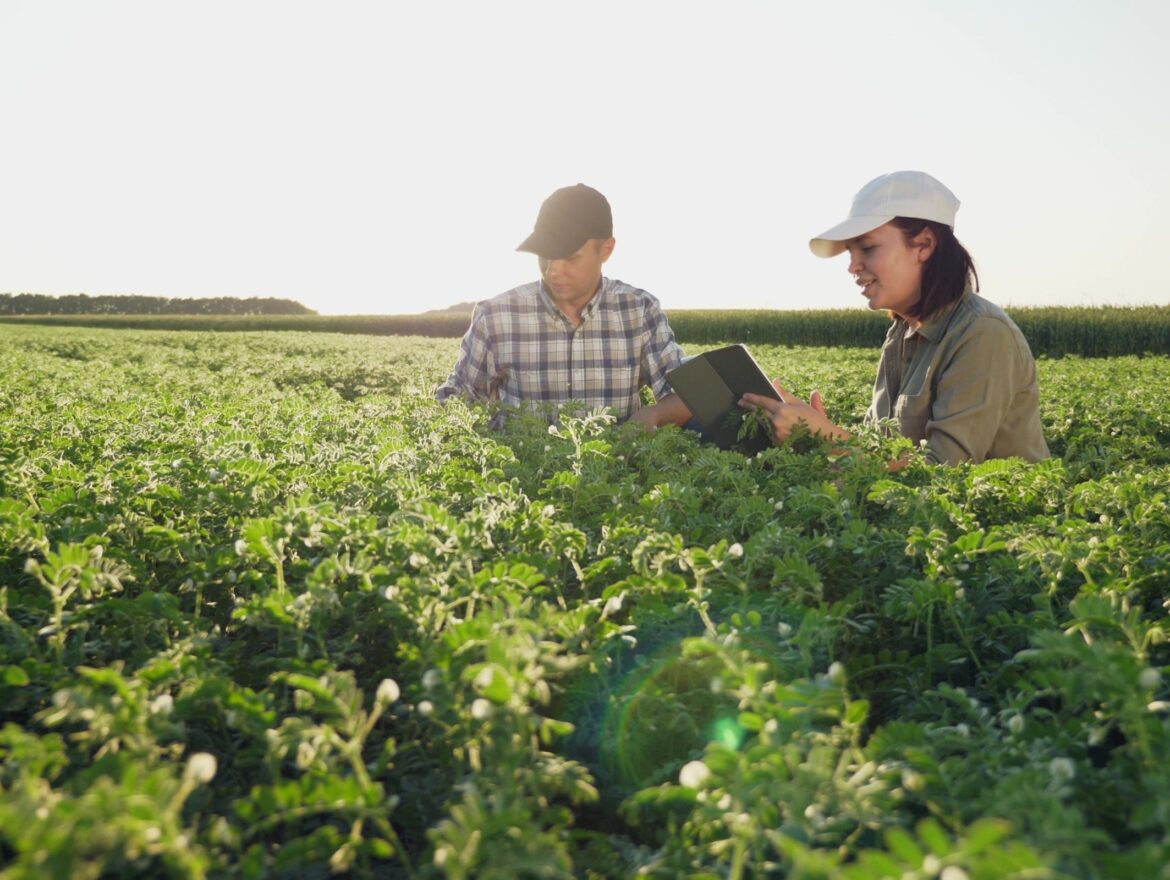
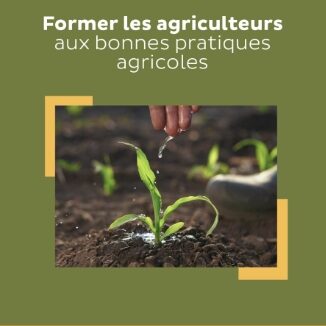
Training for farmers and food processors in sustainable practices.
Establishing nurseries and water treatment site.
Training and Capacity Building
Training for farmers and food processors in sustainable practices.
Establishing nurseries and water treatment site.
Training and Capacity Building
Training for farmers and food processors in sustainable practices.
Establishing nurseries and water treatment site.
Stay informed with the latest developments and news related to Tawazon Tabie project. This section is regularly updated to keep you in the loop about key milestones, events, and important announcements.
Explore Tawazon Tabie project through our multimedia gallery, where you can see
and hear the impact of our work on the ground.
Key Achievements
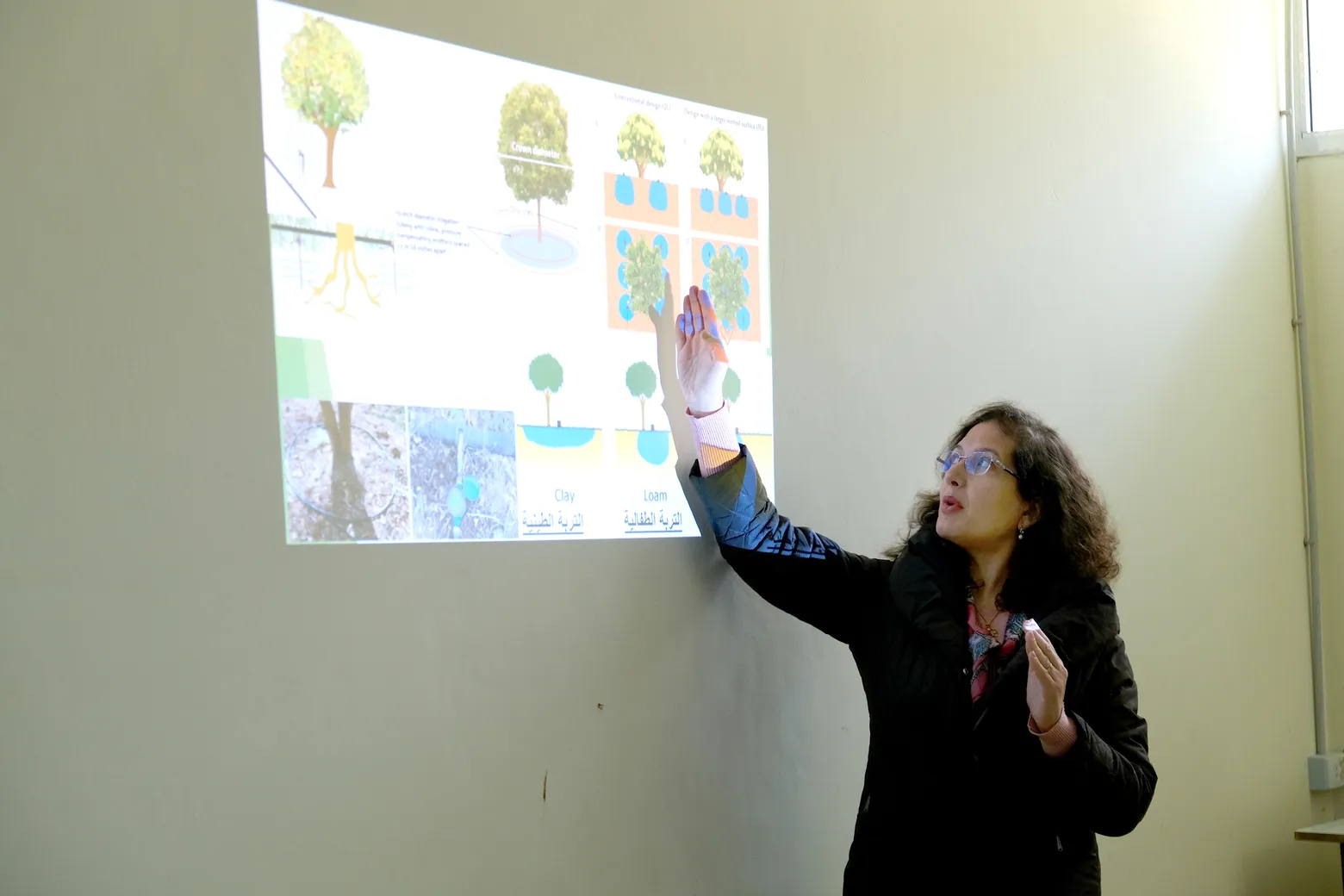
- Comprehensive Training: Over 300 farmers and food producers have been trained in climate-adaptive practices, focusing on organic farming, smart irrigation, and crop diversification.
- Peer-to-Peer Learning: Farmers have participated in exchange visits to learn from each other’s experiences and best practices in sustainable agriculture.
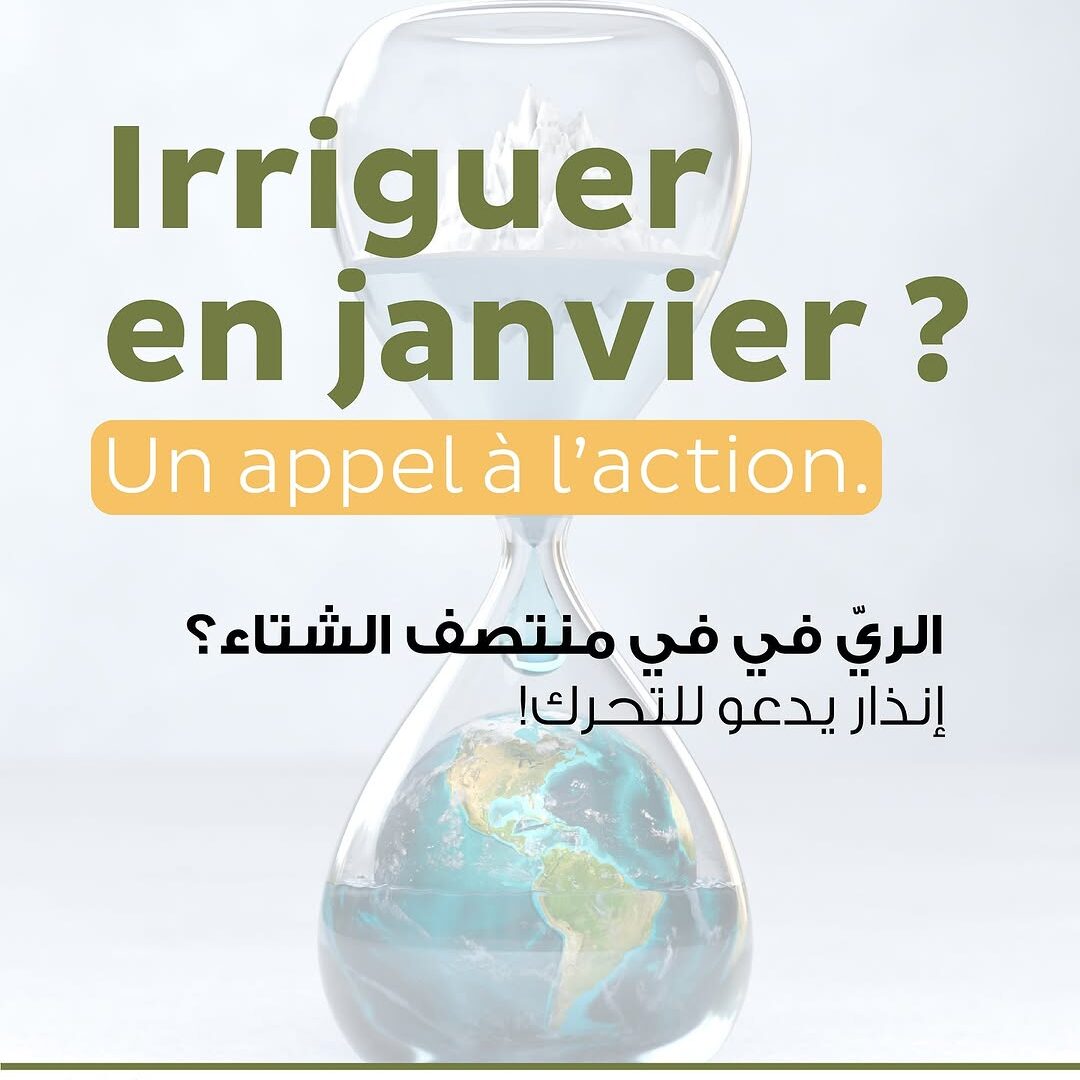
- Water-Saving Technologies: Distributed irrigation systems to 180 farmers, significantly improving water conservation and crop yields.
- Enhanced Inputs: Provided 120 food producers with fertilizers and eco-friendly pest control solutions, boosting sustainable production.
- Nursery Establishment: Two nurseries are under construction to provide high-quality seedlings and reduce the cost of inputs for local farmers.
- Water Treatment Site: A pilot site for water filtration and treatment is being set up, aiming to provide clean water for irrigation and reduce environmental impact.
Ongoing Activities
- Startup Incubation: Supporting 40 young innovators in developing climate-resilient agro-food startups.
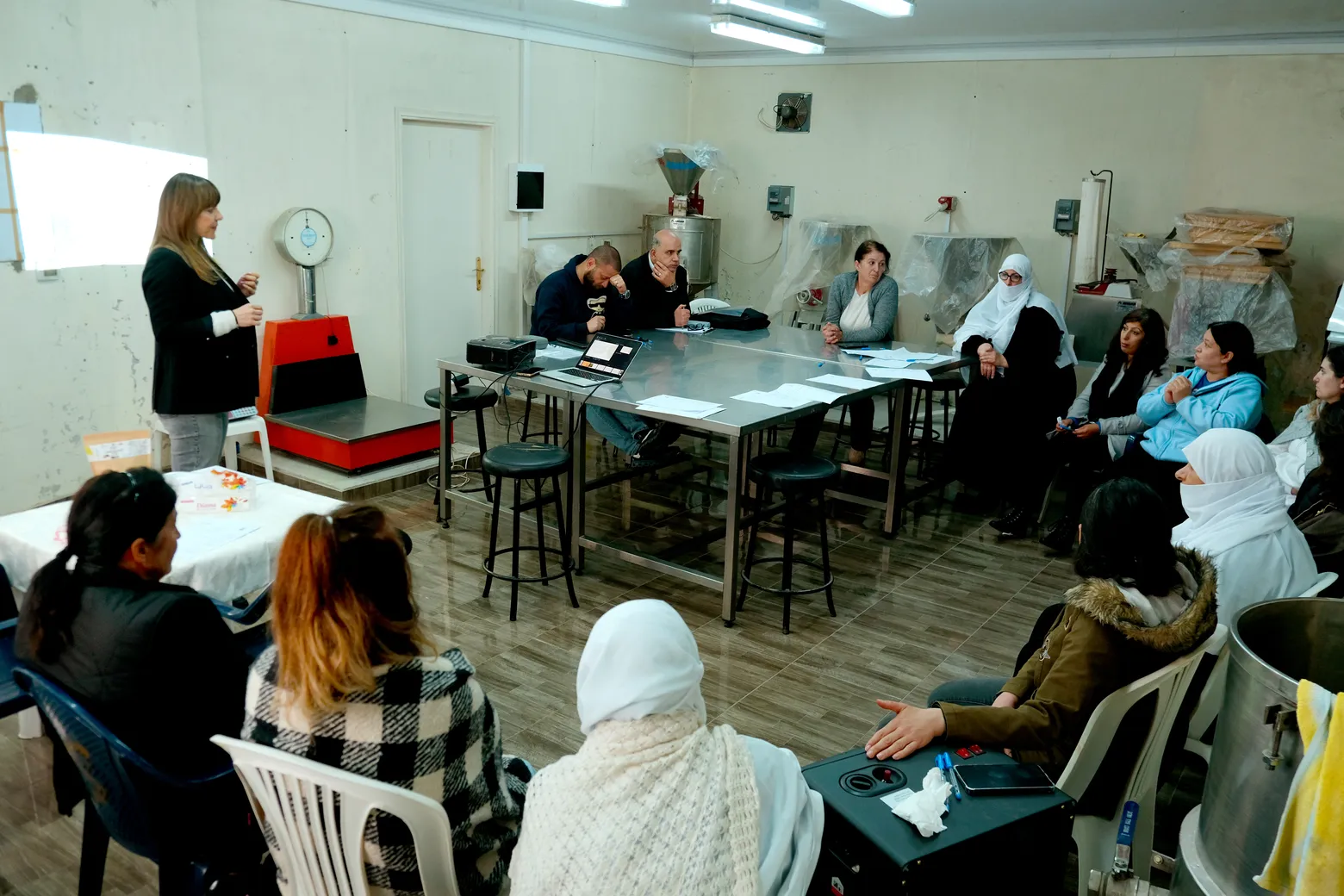
- Workshops and Training: Conducting specialized workshops on business development, innovation, and sustainable practices for young entrepreneurs.
- Public Awareness: Engaged 600 community members through campaigns, workshops, and seminars focused on climate change and sustainable agriculture.
- Capacity Building: Ongoing training for FTL staff, enhancing their ability to effectively mobilize and engage the public in climate action initiatives.
Progress Updates
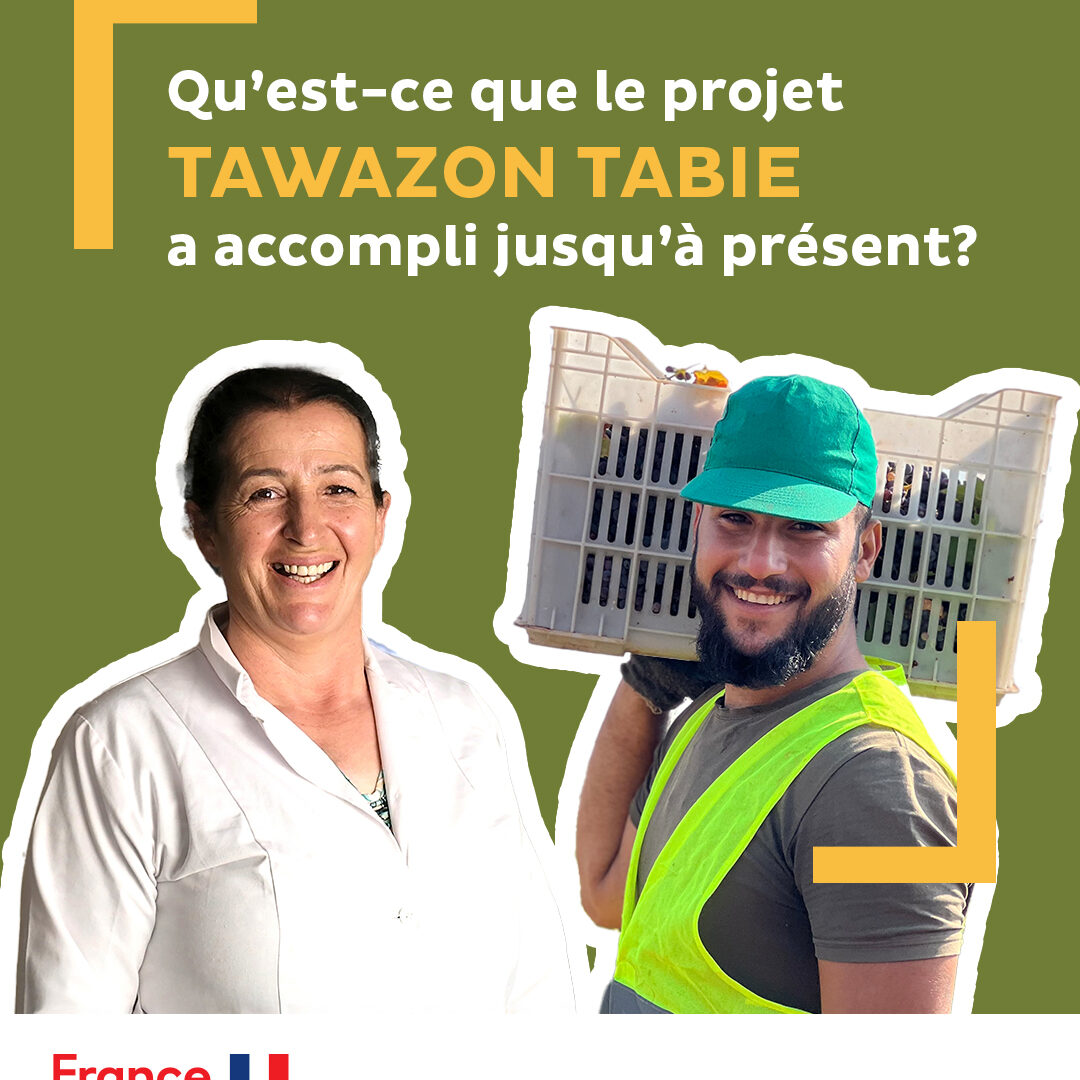
During the first 18 months, the project focused on understanding community needs, delivering targeted training, and preparing for climate-smart equipment distribution.
Community Outreach:- Selected agricultural cooperatives, food-processing cooperatives/SMEs, and farmers in Bekaa and Baalbek to receive support.
- Completed needs assessments for all selected farmers and processors, along with market and value chain studies to guide production planning.
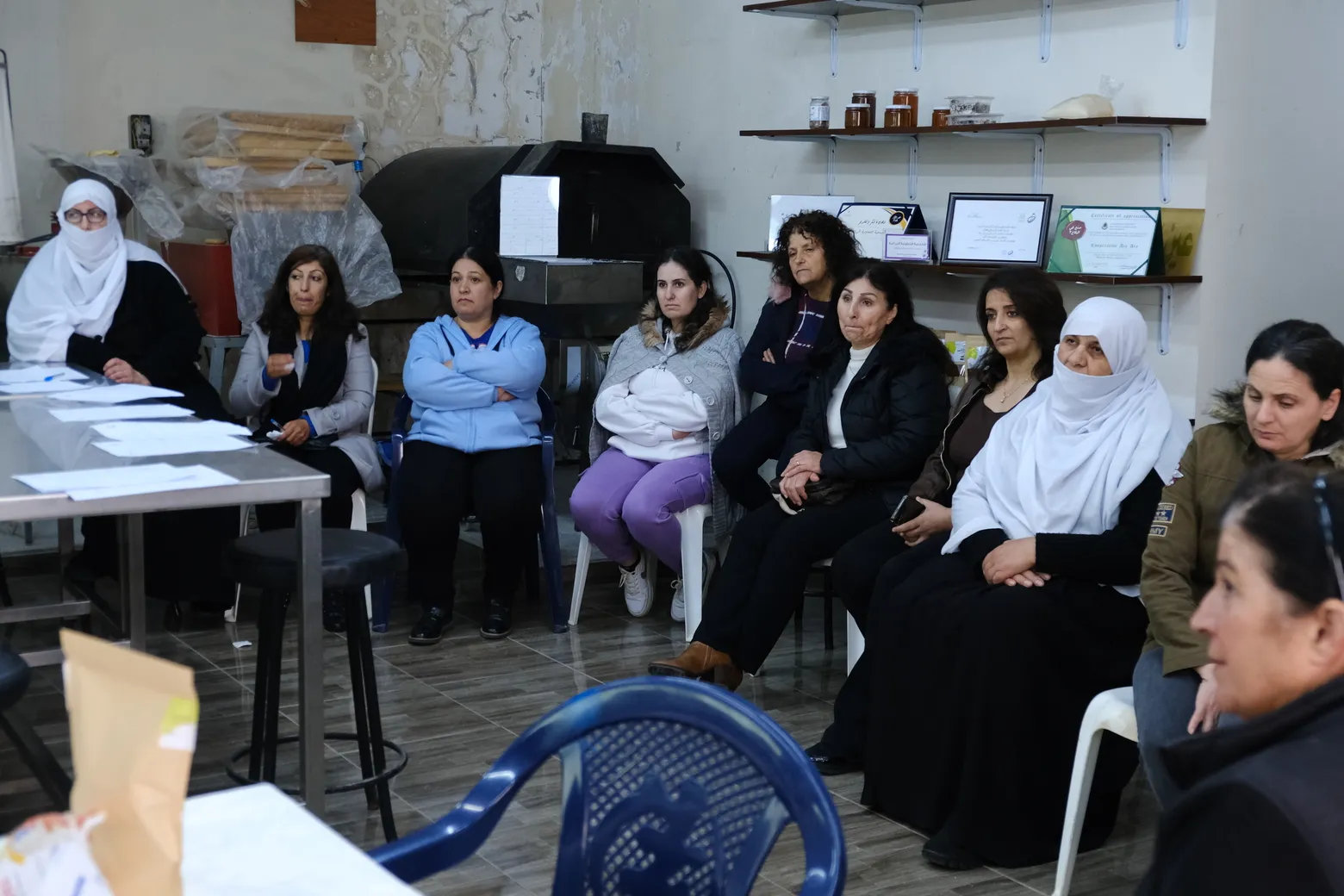
- Farmers: 242 farmers trained with Zahlé Chamber of Commerce (CCIAZ) on water and waste management, crop management, good agricultural practices, and modern techniques.
- Food Processors: 82 food processors trained on sustainable packaging, storage, disaster preparedness, and high-value crop production.
Two nurseries were selected for equipment and capacity-building support:
- Buzurouna Jouzourouna (Bekaa) – reaching around 500 beneficiaries
- Cooperative of Arsal (Baalbek) – reaching around 100 beneficiaries
Upcoming Activities
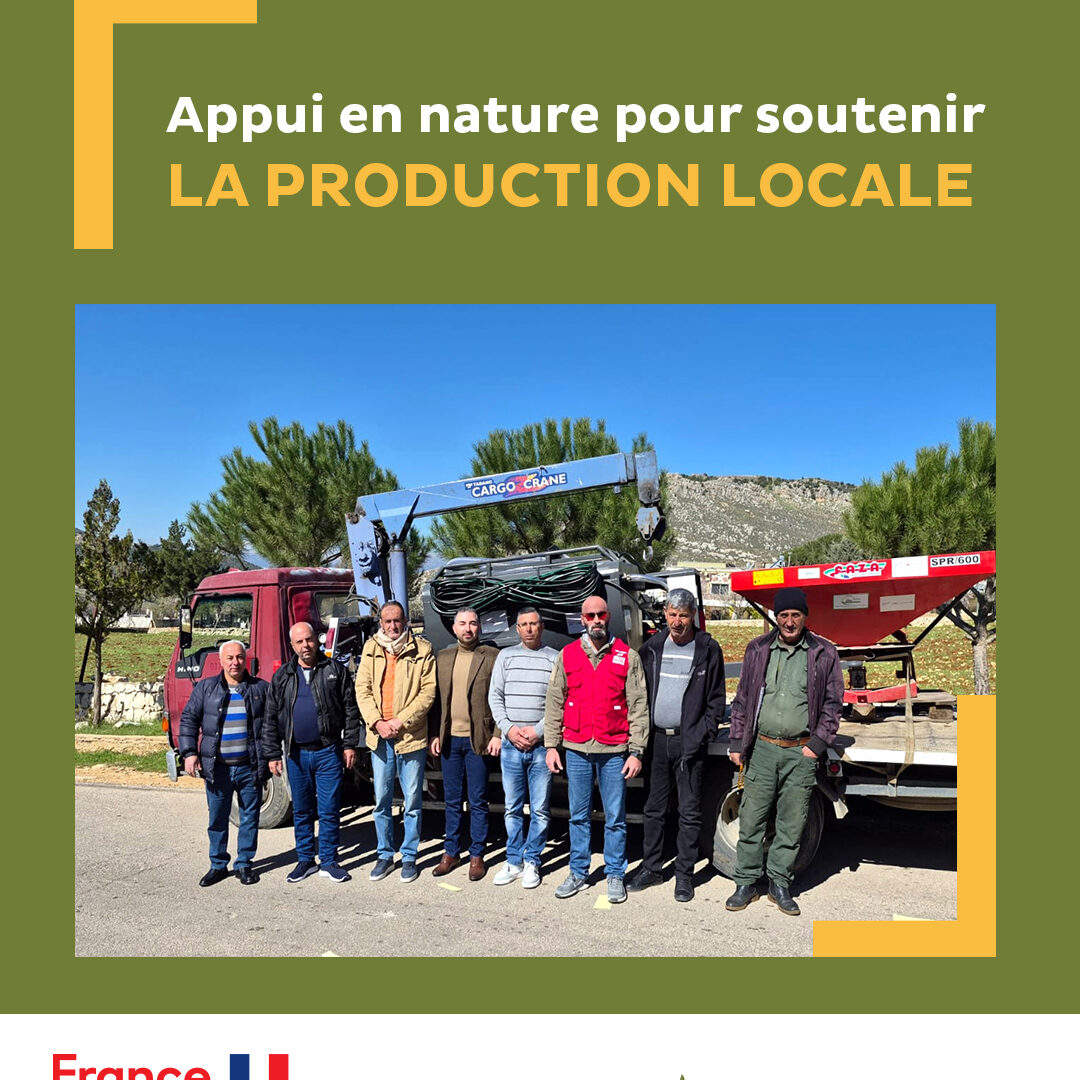
- Distribution of climate-smart irrigation and production equipment.
- Establishment of a pilot site for water collection, filtration, and treatment.
- Training and operational support for the both nurseries.
- Peer-to-Peer Learning visits for farmers and processors.
- Youth Engagement activities with French partners, including workshops, online exchanges, and podcast production.
What is the Tawazon Tabie project?
Tawazon - Equilibre Naturel is a three-year initiative by Fair Trade Lebanon, supported by the Agence Française de Développement (AFD), aimed at enhancing the resilience of farmers and food producers in the Bekaa region against climate change.
Who benefits from this project?
The project primarily benefits farmers, food producers, and youth in the Bekaa region. Over 1,450 individuals are expected to benefit directly, with a broader impact on the community.
What are the main components of the project?
The project focuses on five main areas: Training and Capacity Building, Equipment Provision, Youth Empowerment, Access to production resources, and Community Mobilization.
How does Tawazon Tabie enhance agricultural resilience to climate change?
Tawazon Tabie equips farmers with climate-smart practices and tools to help them adapt to climate change. The project focuses on training, providing essential equipment, and promoting sustainable water management to ensure long-term agricultural productivity in the Bekaa region.
What are the long-term benefits expected from the project?
Long-term benefits include increased agricultural productivity, improved water management, greater economic stability for farmers, and the empowerment of youth in the agro-food sector. The project also aims to foster a culture of sustainability and resilience in the Bekaa region.
How will the project ensure its sustainability after it ends?
Sustainability is built into the project through community ownership, capacity building, and the establishment of sustainable practices. Local communities will be trained to maintain and manage the resources provided, ensuring that the benefits continue long after the project concludes.