Advancing Sustainable Olive Farming in Akkar through Food for Akkar
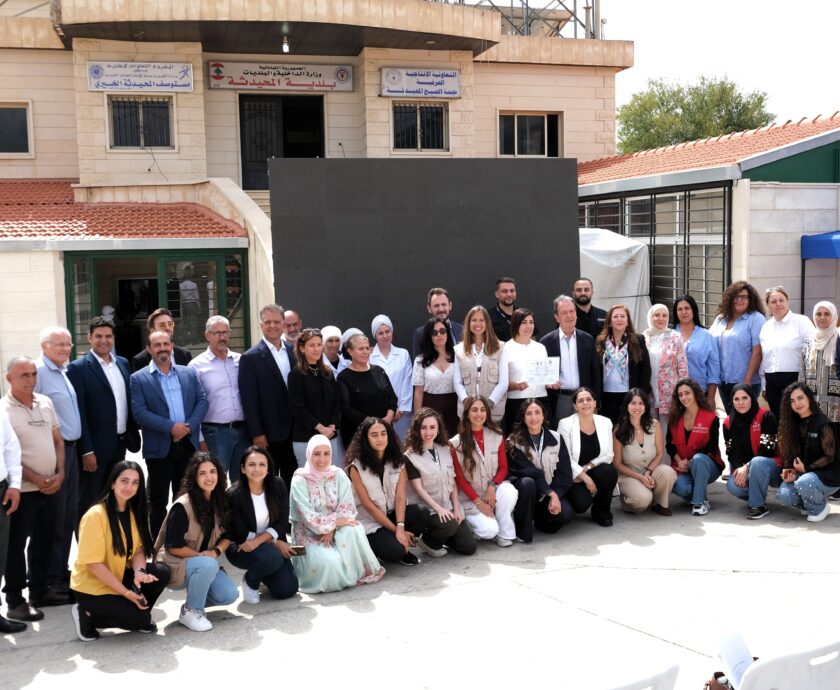
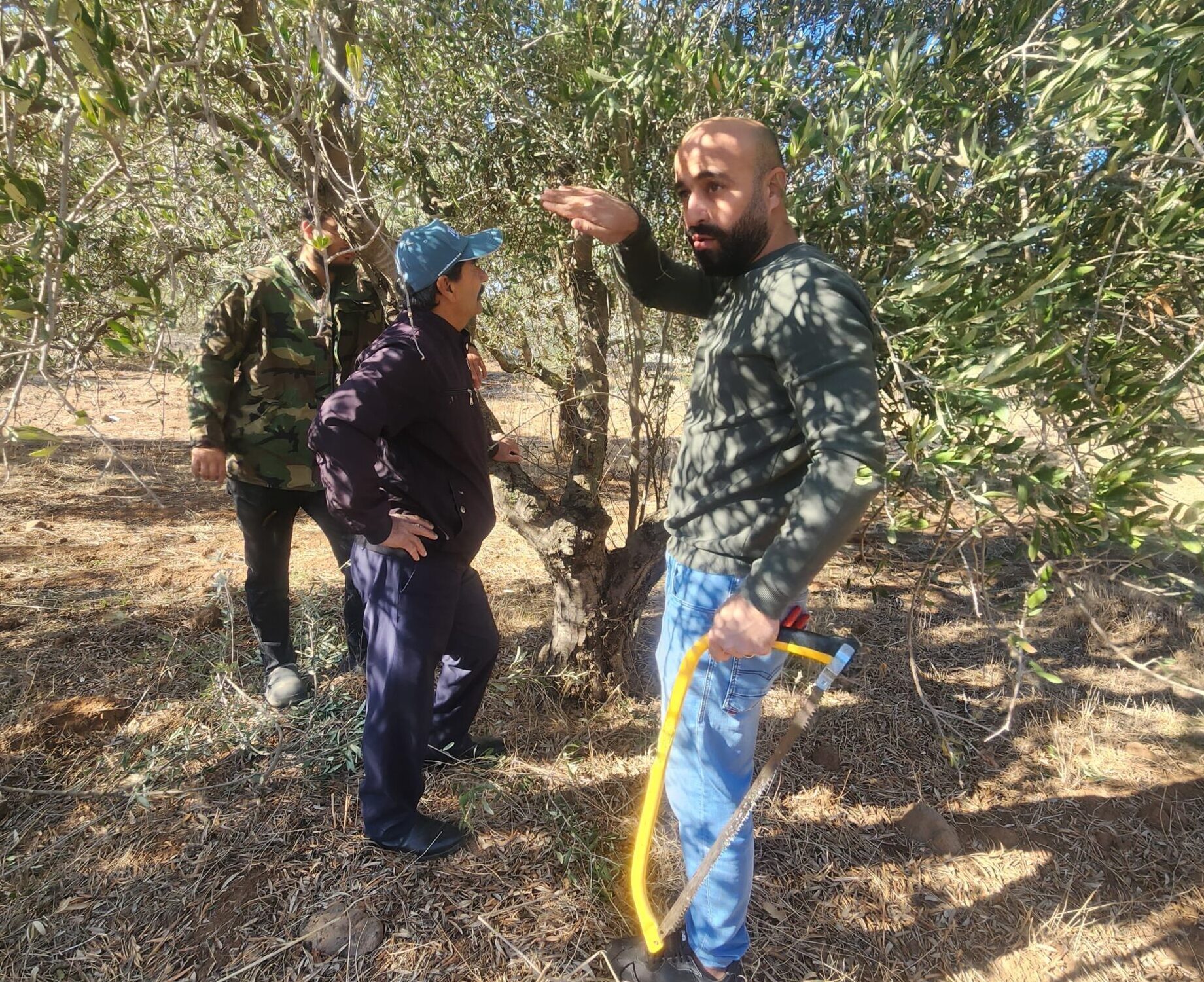
Fifty olive farmers in Akkar received hands-on training to improve productivity and adopt more sustainable agricultural practices, under the Food for Akkar project. Supported by the Gouvernement Princier de Monaco and implemented by Fair Trade Lebanon, the training was conducted directly in the fields, allowing farmers to apply newly learned techniques in real time under familiar working conditions.
The sessions focused on three essential areas: best practices in olive farming, including pruning, fertilizing, and grafting, efficient irrigation methods suited for dry and water-scarce regions, and safe, effective pest and disease management. Together, these topics equipped farmers with practical tools to enhance both yields and crop health while reducing environmental impact.
Olive farming has long been at the heart of Akkar’s rural identity and local economy. By strengthening farmers’ technical skills and promoting sustainable methods, this initiative enhances farmer livelihoods, supports local agricultural resilience, and contributes to long-term environmental stewardship in the region.
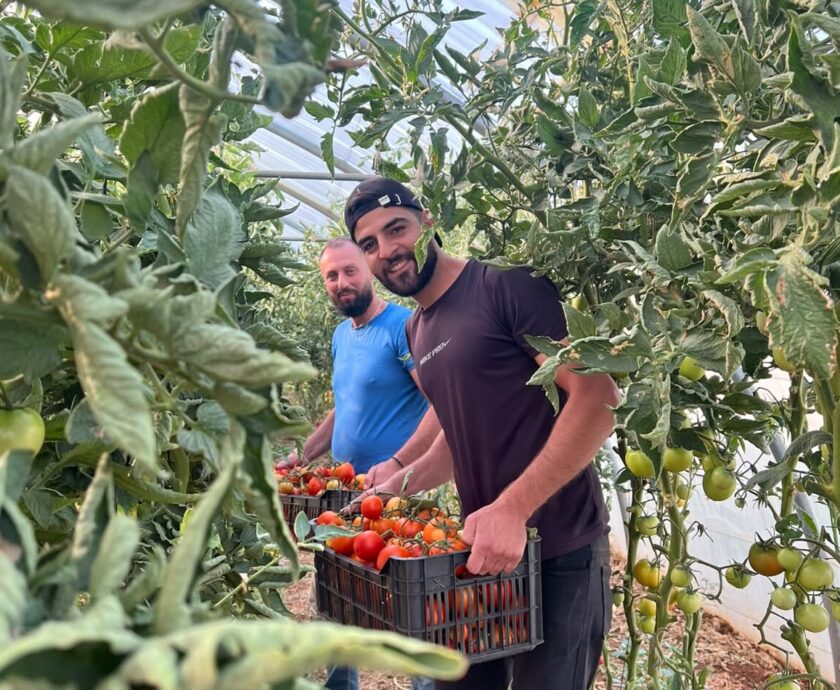
Building on the success of the first phase, Food for Akkar continues to strengthen rural livelihoods. Over the span of three years, the project will provide training and support for olive farmers to transform their fields and assist their communities by distributing the fresh produce harvested, and will support the local nursery and compost unit in Akkar with long-term business models. Food for Akkar grows more than crops, it grows resilience.