Nejmet El Soboh: A Morning Star in the Bekaa
In Mhaydthe, in the West Bekaa, the women of Nejmet El Soboh (Morning Star) have spent nearly three decades turning local produce and traditional food-making practices into products that travel beyond the village.
Recognized at home
Founded on women’s economic participation and rooted in local agricultural, the cooperative is an example of what a community-based food business can achieve with the right support and market opportunities.
Success draws visitors. The Beiruter came first, a publication for both Lebanese and international audiences, wanting to meet the women behind the products and witness how a traditional trade grows into a business that lasts. The result is a feature that brings the readers closer to the women behind the production.
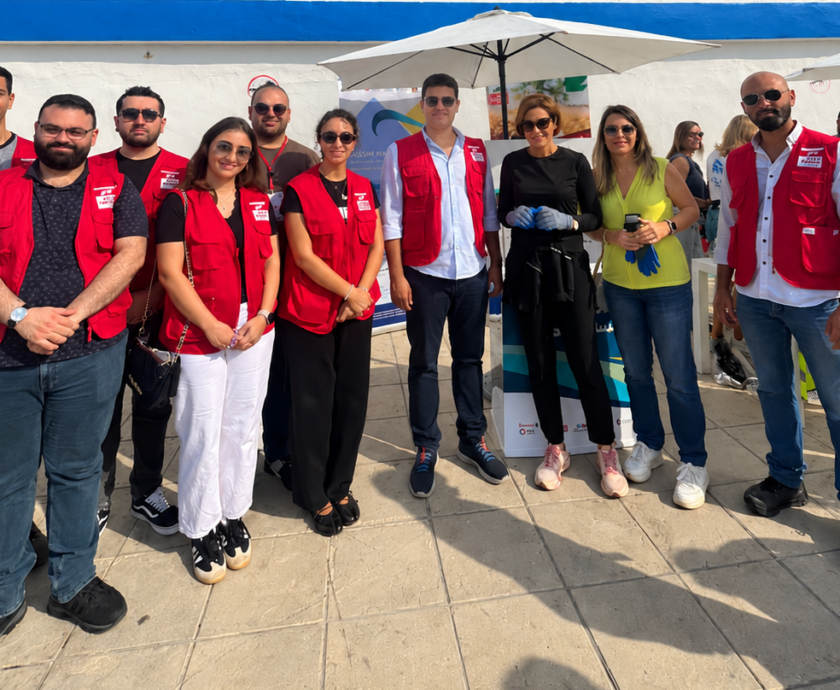
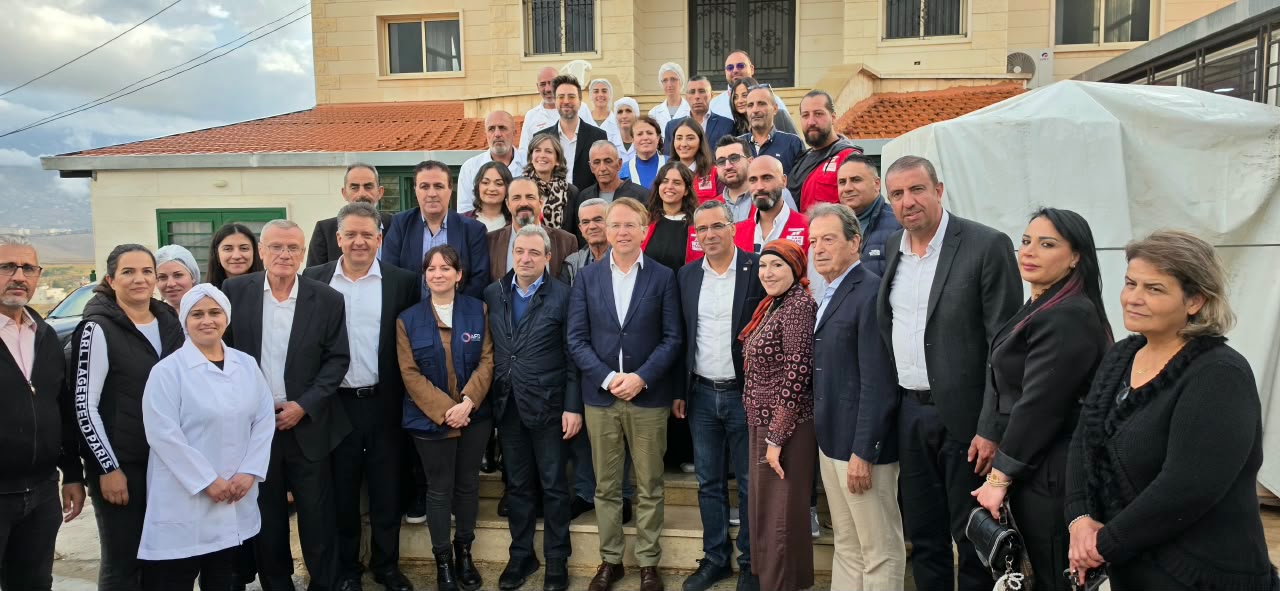
Last week, the doors opened wider. The Ambassador of France to Lebanon, the Lebanese Minister of Agriculture, representatives of the Agence française de développement and delegates from cooperatives across the Bekaa came to see the work firsthand, as part of a field day devoted to local initiatives. Such a visit is seldom about a single product. It speaks to what that product has made possible.
Awarded abroad
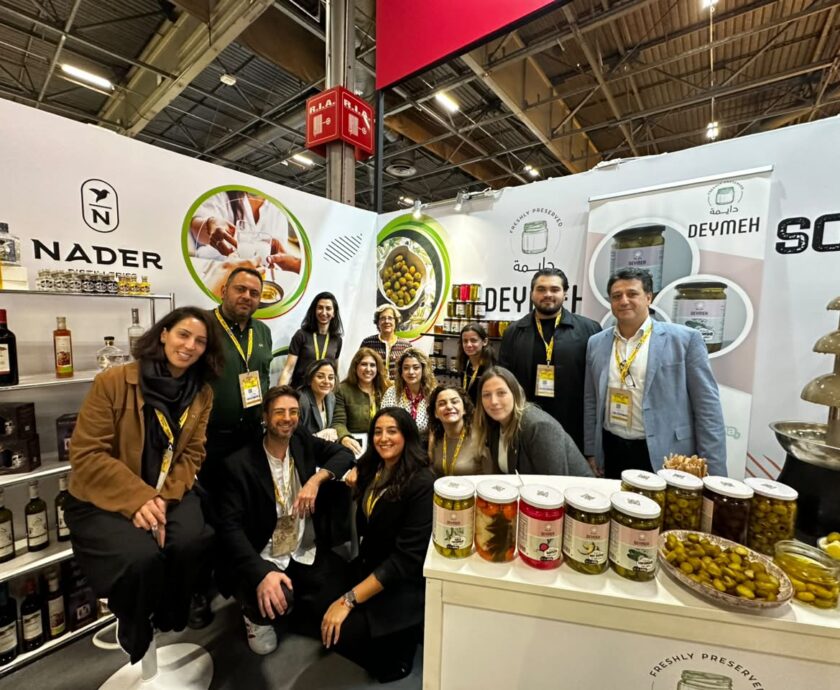
The cooperarive’s work has also found recognition beyond Lebanon. At Natexpo 2025 in France, the cooperative’s tarator sauce won both the Jury’s Favorite and Gold Innovation awards, two years after a Best of distinction at Gourmet Selection.
Tradition, it seems, can be the most innovative thing on the table.
From a village kitchen in the Bekaa to an international podium, the distance is shorter than it looks when the essentials are in place: women who master the craft, farmers who supply it, and partners who back it.
Such is the story of Nejmet El Soboh.