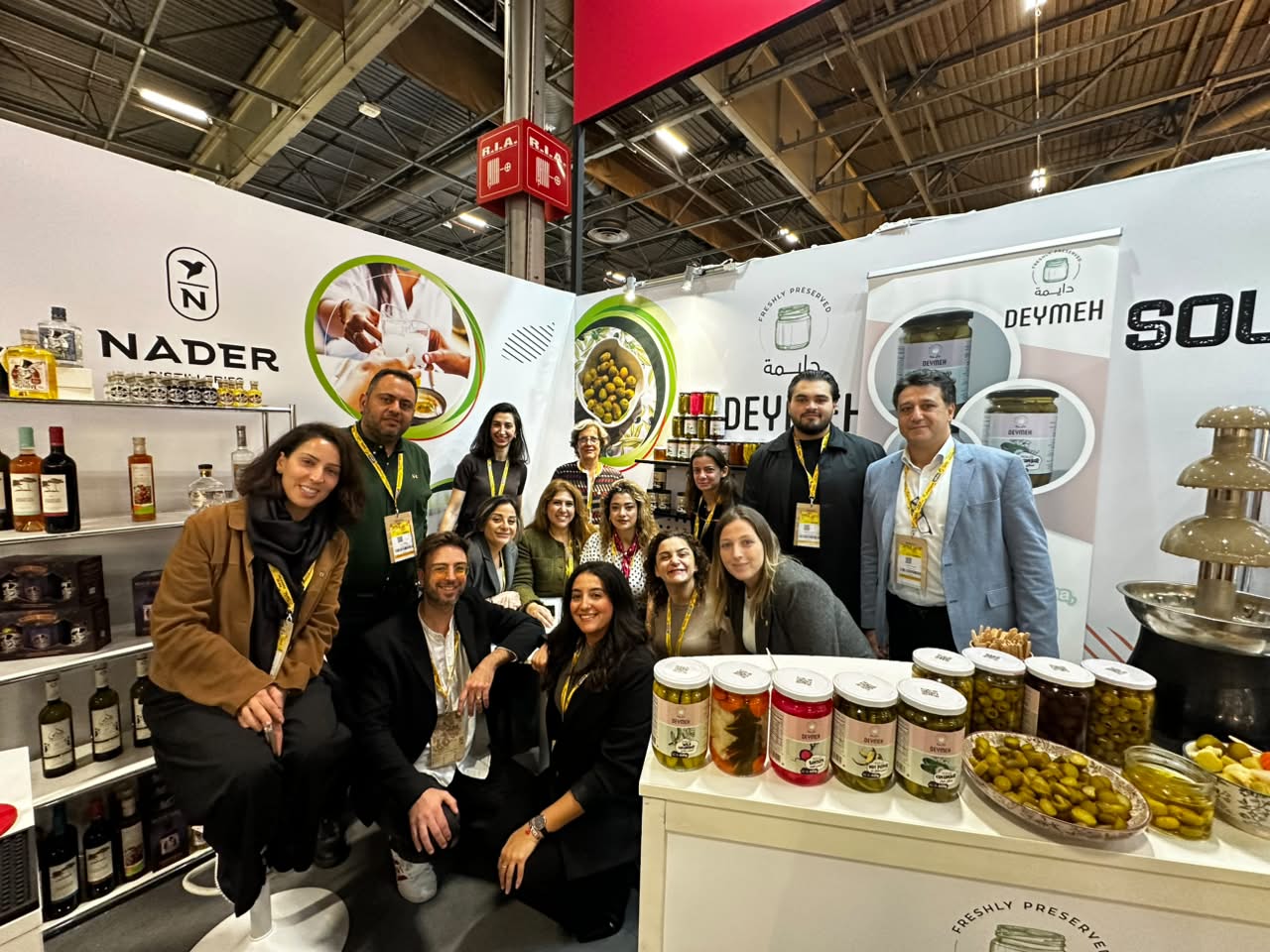
Before the Label Travels: Postcards from SIAL Paris
A label can say where a product was made. It cannot say who grew the ingredients, how long the recipe took to perfect, or why a buyer in another country should pay attention. At any international trade show, the product has to answer those questions on its own, in a few minutes, in front of people who have no reason to wait.
That was the challenge for twelve Lebanese SMEs at SIAL Paris, one of the largest food and beverage trade shows in the world. Their products had already earned their place at home. What they lacked was the opportunity to test them elsewhere, and for most, a stand in Paris was out of reach alone. Through the ARADINA project, Fair Trade Lebanon (FTL) helped make it possible.
Getting there was only the first step. Before the trip, the companies trained in the craft of exhibiting: preparing products and displays, presenting the enterprise, pitching, setting prices and offers, and following up on leads. The training ended with a mock exhibition, a full rehearsal of the real thing, so that no company would meet the hall for the first time in Paris unprepared.
Over five days, the preparation met the market. The SMEs presented their products, spoke with industry professionals, and saw at firsthand what international buyers expect. For businesses used to the Lebanese market, it was a change of vantage point, and a clear picture of what it takes to reach a wider one.
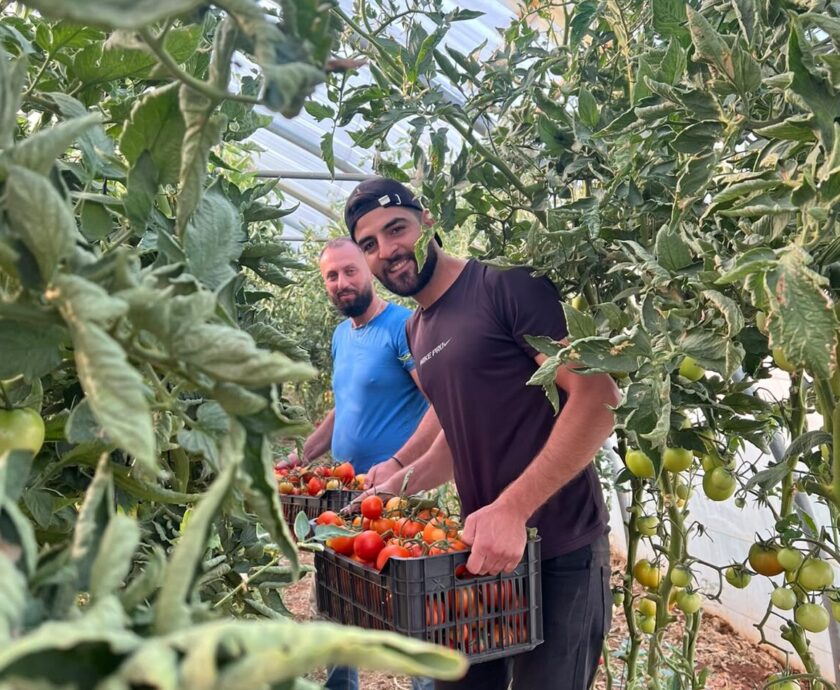
The real result of the trip will come afterwards, in the relationships that grow from these conversations and the orders that follow. Behind each stand are farmers and producers across Lebanon whose livelihoods depend on markets like these, and every opened door is a step toward more stable incomes for them.
A product’s origin is fixed. How far it travels is not, and it begins with being given the chance to try.
ARADINA is a multi-year project funded by the Agence Française de Développement (AFD) and implemented by CIHEAM Montpellier, Fair Trade Lebanon, and Action Against Hunger, to build a sustainable, resilient, and competitive agri-food sector across the Bekaa, Baalbek-Hermel, Akkar, North Lebanon, and Mount Lebanon.